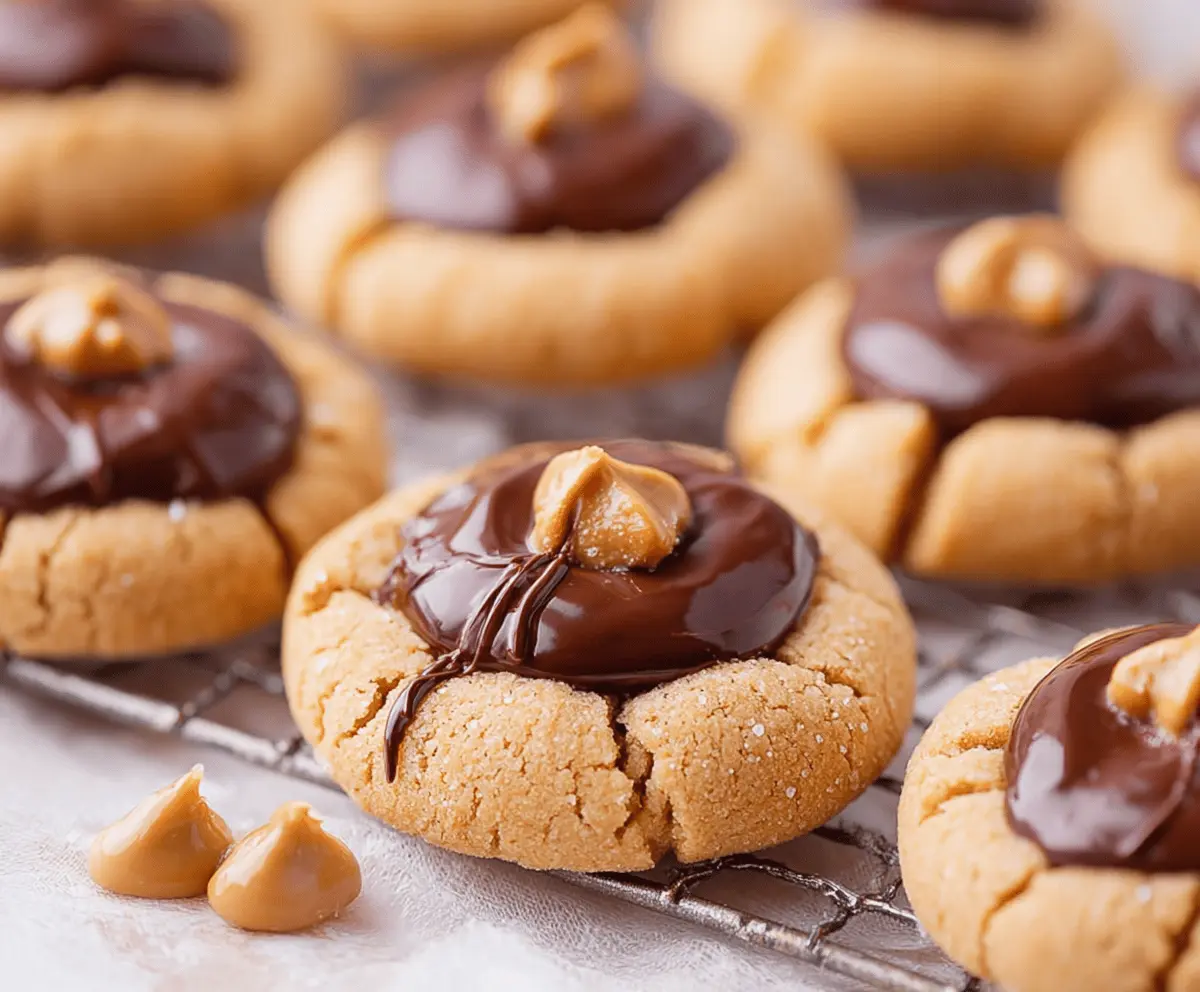
The Ultimate Guide to Easy Peanut Butter Thumbprint Cookies
There are some desserts that just feel like coming home – warm, comforting, and utterly irresistible. For many, that sentiment is perfectly encapsulated in the humble yet divine peanut butter thumbprint cookie. These delightful treats combine the rich, nutty flavor of classic peanut butter cookies with a sweet, vibrant jam filling, all topped with an optional, elegant glaze. It's a symphony of textures and tastes that makes them a perennial favorite, whether for a holiday cookie exchange or a simple afternoon indulgence. If you're looking for a simple cookie recipe that delivers a major upgrade in flavor and presentation, you've found your ultimate guide.
From their melt-in-your-mouth texture to their soft, chewy centers and perfectly crisp edges, these peanut butter thumbprint cookies are designed to become an instant classic in your baking repertoire. They require relatively few ingredients, are surprisingly easy to make, and offer endless possibilities for customization, ensuring they'll never get boring.
A Brief History of a Beloved Classic
To truly appreciate the peanut butter thumbprint cookie, it's worth a quick journey back in time to understand its fascinating origins. While these cookies feel distinctly American, their roots trace back to 19th-century Sweden. There, they were known as hallongrottor, which translates charmingly to "raspberry cave," a nod to the indentation filled with ruby-red raspberry jam.
These simple, shortbread-style treats were a staple at Swedish social gatherings called kafferep, informal coffee parties featuring an array of baked goods. As waves of Swedish immigrants made their way to the United States in the late 19th and early 20th centuries, they brought their cherished baking traditions with them. The *hallongrottor* began to adapt to American tastes and ingredients. The significant transformation occurred in the mid-20th century when peanut butter, a burgeoning American pantry staple, was introduced into the dough. This ingenious twist blended the nutty richness of peanut butter with the tangy sweetness of fruit preserves, creating a new, beloved variation that quickly cemented its place in American culinary traditions. For a deeper dive into this delicious journey, explore From Swedish Roots: The Evolution of Peanut Butter Thumbprint Cookies.
Why Peanut Butter Thumbprint Cookies Are a Must-Bake
Beyond their charming history, there are compelling reasons why these easy peanut butter thumbprint cookies deserve a spot on your baking list time and time again:
- Irresistible Flavor & Texture: Imagine a cookie that's soft and chewy in the center, with just the right amount of crispness around the edges. Now, add the comforting, robust flavor of peanut butter perfectly complemented by a burst of sweet, tangy fruit jam. This combination is simply divine, creating a truly melt-in-your-mouth experience that satisfies every craving.
- Simplicity & Accessibility: Don't let their elegant appearance fool you; these cookies are surprisingly straightforward to make. With a handful of common pantry ingredients and a few easy steps, even novice bakers can achieve impressive results. It's a fantastic recipe for getting kids involved in the kitchen too!
- Versatility & Customization: This is where peanut butter thumbprint cookies truly shine. While raspberry jam is a classic choice, the possibilities for fillings and toppings are virtually endless. This adaptability makes them perfect for any occasion and allows you to put your own creative spin on a timeless treat.
- Perfect for Any Occasion: Whether you're baking for a holiday cookie swap, a school bake sale, a cozy night in, or just because, these cookies fit the bill. Their appealing look and delightful taste make them a crowd-pleaser every time.
Mastering the Art of Peanut Butter Thumbprint Cookies: Tips for Success
Achieving bakery-quality peanut butter thumbprint cookies is entirely within reach with a few key techniques and insights. These tips will help you create cookies that are not only delicious but also beautifully formed and perfectly baked:
Key Ingredients & Room Temperature Magic
The foundation of any great cookie lies in its ingredients. For peanut butter thumbprint cookies, focus on quality and temperature:
- Peanut Butter Power: Use creamy peanut butter for the smoothest dough texture. While natural peanut butter can work, ensure it's well-stirred and not overly oily, as this can affect the dough's consistency. A standard processed creamy peanut butter (like Jif or Skippy) often yields the most consistent results for this recipe. You'll typically need about ¾ cup (195g) for a generous batch.
- Butter & Eggs: Always use unsalted butter and large eggs, bringing them to room temperature before you begin. Room temperature ingredients cream together more smoothly, creating a homogeneous batter that traps air efficiently. This results in a lighter, fluffier cookie texture.
- Flour & Sweeteners: All-purpose flour is standard. For sweeteners, a blend of granulated sugar and brown sugar can add depth and chewiness, while just granulated sugar will result in a slightly crisper cookie.
- Your Favorite Jam: While raspberry jam is iconic, feel free to experiment with strawberry, apricot, grape, or even a citrus marmalade. Approximately 6 tablespoons of jam will typically fill 32 cookies.
The Chill Factor: An Essential Step
Chilling the dough is not an optional step; it's crucial for several reasons:
- Prevents Spreading: Cold dough spreads less in the oven, helping your cookies maintain their distinct thumbprint shape.
- Develops Flavor: Chilling allows the flavors to meld and deepen, resulting in a more complex and satisfying taste.
- Easier Handling: Cold dough is firmer and less sticky, making it much easier to roll into balls and create the indentations. Aim for at least 30 minutes to an hour of chilling time.
The Perfect Thumbprint & Baking Brilliance
Getting that iconic indentation just right is key:
- Making the Well: After rolling your chilled dough into uniform balls (around 1-inch in diameter), you can use your thumb, the back of a small measuring spoon, or even a wine cork to create the indentation. Press gently but firmly enough to form a noticeable well without going all the way through the cookie.
- When to Fill: Most recipes suggest filling the cookies with jam *before* baking. This allows the jam to warm and set slightly as the cookie bakes, creating a beautiful, unified look. If you prefer a fresher jam taste, you can bake the cookies mostly through, then add the jam for the last 5-10 minutes of baking.
- Baking Temperature: A moderate oven temperature (around 350°F / 175°C) is ideal. Bake until the edges are lightly golden and the centers are set. Overbaking can lead to dry cookies, so keep a close eye on them.
Elevating Your Peanut Butter Thumbprints: Creative Variations & Serving Suggestions
Once you've mastered the basic peanut butter thumbprint, the real fun begins! These cookies are incredibly versatile, offering countless ways to customize them for any occasion or preference.
Beyond Raspberry Jam: Filling & Topping Ideas
While raspberry jam holds a special place, don't be afraid to experiment:
- Fruit Jam Extravaganza: Try other fruit preserves like apricot, strawberry, blueberry, cherry, or even a spiced apple butter for a fall twist.
- Chocolate Lover's Dream: Fill the indentations with a dollop of Nutella, a mini chocolate truffle, or a square of your favorite chocolate bar. After baking, a drizzle of melted chocolate or ganache takes these to the next level.
- Caramel & Toffee Delights: A spoon of dulce de leche or a soft caramel candy pressed into the center before baking (or added after) creates a gooey, rich center. Sprinkle with sea salt for a salted caramel peanut butter dream.
- Citrus Zing: Lemon curd or lime curd offers a refreshing, tangy counterpoint to the rich peanut butter.
- Festive Glazes & Garnishes: A simple maple cinnamon glaze, as mentioned in some classic recipes, adds an extra layer of sweetness and aroma. You can also roll the dough balls in chopped peanuts, pecans, or colorful sprinkles before baking for added texture and visual appeal. A dusting of powdered sugar after cooling also makes for a charming finish.
Perfect Pairings & Gifting
Peanut butter thumbprint cookies are fantastic on their own, but they also pair wonderfully with a variety of beverages:
- Coffee & Tea: The perfect companion for your morning coffee or an afternoon tea break.
- Milk: A classic pairing with any peanut butter cookie, especially for kids (or adults who feel like kids!).
- Ice Cream: Crumbled over vanilla ice cream or served alongside a scoop for an instant dessert upgrade.
These cookies are also an absolute star in any holiday cookie box. Their robust flavor, attractive appearance, and excellent freezability make them ideal for making ahead. If you're planning your holiday baking, you'll find invaluable tips in Make-Ahead Magic: Peanut Butter Thumbprint Cookies for Holidays to streamline your festive preparations.
Conclusion
The ultimate guide to easy peanut butter thumbprint cookies reveals them to be more than just a simple dessert; they are a delightful blend of history, versatility, and pure deliciousness. Whether you stick to the classic raspberry jam or venture into creative new fillings and glazes, these cookies promise a comforting, melt-in-your-mouth experience that will leave everyone reaching for more. So, roll up your sleeves, gather your ingredients, and get ready to bake a batch of these unforgettable treats. They're guaranteed to become a cherished favorite in your home, bringing joy with every peanut butter-packed, jam-filled bite.
