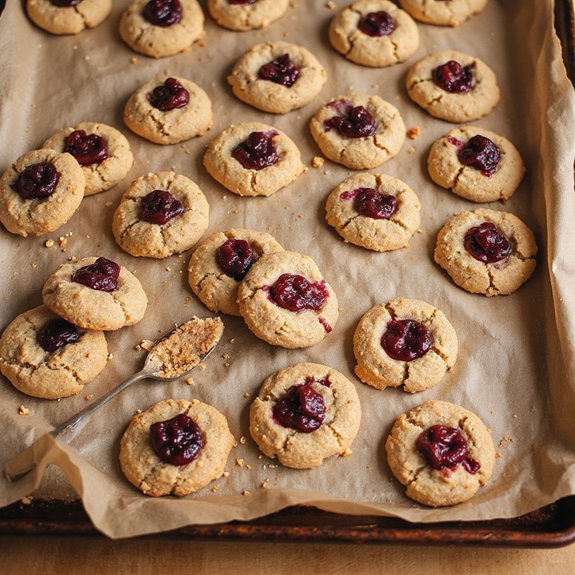
Make-Ahead Magic: Why Peanut Butter Thumbprint Cookies Reign Supreme for the Holidays
As the festive season draws near, the aroma of freshly baked cookies becomes an irresistible call, signaling warmth, comfort, and celebration. While there are countless contenders for the title of "holiday favorite," one particular treat consistently captures hearts and palates with its nostalgic charm and irresistible flavor: the peanut butter thumbprint cookie. These delightful morsels, with their soft, chewy peanut butter base cradling a sweet, vibrant dollop of jam, are more than just a dessert; they're a testament to simple joys and thoughtful preparation. Perfect for gift boxes, holiday gatherings, or a quiet evening by the fire, these cookies offer true "make-ahead magic," allowing you to savor the season without endless hours in the kitchen.
For many, peanut butter thumbprint cookies hold a special place, often evoking memories of childhood kitchens and cherished family recipes. They strike a perfect balance between the nutty richness of peanut butter and the bright tang of fruit preserves, making them a universally loved classic that easily becomes a repeat request year after year. Their inherent versatility and the sheer ease of preparation make them an undeniable front-runner when planning your holiday baking repertoire.
The Irresistible Allure of Peanut Butter Thumbprint Cookies
What makes peanut butter thumbprint cookies so utterly captivating? It starts with the texture: a soft, melt-in-your-mouth cookie that offers a satisfying chewiness, often with slightly crisp edges, contrasting beautifully with the smooth or slightly chunky fruit filling. Unlike traditional shortbread-style thumbprints, the peanut butter base adds a unique depth of flavor and a comforting richness that is simply unparalleled. Imagine that first bite: the robust, familiar taste of peanut butter mingling with the sweet, often tart burst of raspberry or strawberry jam, perhaps even enhanced by a delicate drizzle of maple cinnamon glaze. It's a symphony of textures and flavors that delights the senses and leaves you reaching for another.
Beyond their sensory appeal, these cookies possess a wonderful versatility. While raspberry jam is a traditional and highly popular choice, the "thumbprint" invites endless creativity. You can experiment with different fruit preserves – apricot for a golden hue and gentle tang, grape for a classic American twist, or even a spiced apple butter for a truly autumnal feel. For those with a sweet tooth beyond fruit, consider fillings like chocolate ganache, caramel, or even a dollop of Nutella. This adaptability means every batch of easy peanut butter thumbprint cookies can feel fresh and exciting, catering to diverse tastes while retaining its comforting core identity.
A Sweet History: From Swedish Roots to American Favorite
The story of the peanut butter thumbprint cookie is a fascinating journey that crosses continents and culinary traditions. Its origins trace back to 19th-century Sweden, where a beloved cookie known as hallongrottor, or "raspberry cave," made its debut. These simple, shortbread-style treats, characterized by a well filled with raspberry jam, were a staple at Swedish social gatherings called kafferep, informal coffee parties featuring an array of delightful baked goods.
As waves of Swedish immigrants made their way to the United States in the late 19th and early 20th centuries, they brought their cherished baking traditions with them. These "thimble cookies" or "Swedish thimbles" began appearing in American cookbooks and newspapers by the mid-20th century, slowly integrating into the evolving American culinary landscape. The pivotal transformation, however, came with the ingenious addition of peanut butter. This quintessentially American ingredient, which gained immense popularity during the 20th century, found a perfect partner in the classic jam-filled cookie. The blending of the nutty, creamy richness of peanut butter with the tangy sweetness of fruit preserves created a new, distinctly American variation that quickly became a beloved dessert. It's a beautiful example of how culinary traditions evolve, adapting to local tastes and ingredients to create something truly unique and enduring. To delve deeper into this rich history, explore From Swedish Roots: The Evolution of Peanut Butter Thumbprint Cookies.
Your Holiday Baking Secret Weapon: Mastering Make-Ahead Magic
The holidays are often a whirlwind of activities, and finding ways to streamline preparations without sacrificing homemade charm is invaluable. This is precisely where peanut butter thumbprint cookies shine, offering unparalleled make-ahead potential that makes them a true holiday baking secret weapon.
Mastering the Make-Ahead Process
The key to their make-ahead magic lies in their freezer-friendly nature. You can prepare the dough in advance, roll it into balls, and even make the indentations before freezing. This means you can have dozens of cookies ready to bake at a moment's notice, making them ideal for last-minute guests or assembling diverse holiday cookie boxes alongside treats like linzer cookies, Christmas sugar cookies, or soft and chewy ginger cookies.
- Dough Preparation: Mix your dough following your preferred recipe. Many recipes call for room-temperature ingredients (butter, eggs, peanut butter) for optimal creaming and a smooth, consistent dough. Once prepared, you can either chill the entire dough log for up to 3-4 days or proceed to shaping.
- Chilling is Crucial: Chilling the dough for at least 30 minutes, and ideally an hour or more, is essential. This firms up the butter, prevents the cookies from spreading too much during baking, and helps maintain their distinct shape. It also makes the dough easier to handle when rolling into balls and creating the thumbprints.
- Shaping and Freezing: Roll the chilled dough into uniform balls. If desired, you can roll them in granulated sugar or finely chopped peanuts for extra texture and visual appeal. Place them on a baking sheet lined with parchment paper and use your thumb or the back of a small measuring spoon to create the indentation. Flash freeze these shaped dough balls until solid, then transfer them to an airtight freezer bag for up to 2-3 months.
- Baking from Frozen: When you're ready to bake, simply place the frozen dough balls on a baking sheet, fill the indentations with your chosen jam (or fill after baking for a cleaner look), and bake according to recipe instructions, adding a few extra minutes to the baking time if needed. The ability to bake from frozen is a game-changer for busy holiday schedules.
Customization for Every Palate
While the classic raspberry jam is delightful, don't shy away from creative fillings and finishes.
- Jam Variations: Beyond the traditional, consider fillings like apricot, blueberry, or even fig jam. For a richer, less fruity option, try lemon curd, caramel sauce, or a melted chocolate center.
- Toppings and Glazes: A simple dusting of powdered sugar adds elegance, while a drizzle of maple-cinnamon glaze or a classic almond glaze elevates the flavor profile. Rolling the cookies in finely chopped peanuts or sprinkles before baking adds a textural crunch and festive flair.
Crafting Your Perfect Batch: Tips for Success
Achieving bakery-quality peanut butter thumbprint cookies at home is surprisingly straightforward, especially with a few expert tips:
- Room Temperature Ingredients: Ensure your butter, eggs, and peanut butter are at room temperature. This allows them to cream together smoothly, creating a light, airy dough that bakes evenly and contributes to that desirable melt-in-your-mouth texture.
- Quality Peanut Butter: Use a creamy, good-quality peanut butter. Natural peanut butter (the kind that separates) can work, but ensure it's well-stirred to prevent dry, crumbly dough. Traditional creamy peanut butter often yields the most consistent results.
- Don't Overmix: Once you add the flour, mix until just combined. Overmixing can develop the gluten in the flour, leading to tougher cookies rather than the soft, tender texture you're aiming for.
- The Perfect Indentation: A clean thumbprint is key! If your dough is too sticky, dust your thumb lightly with flour or sugar. Alternatively, use the back of a rounded teaspoon or a small melon baller for a perfectly symmetrical well. Create the indentations before baking. If they puff up too much during baking, you can gently re-press them with the back of a spoon immediately after removing them from the oven.
- Filling Options: You can fill the cookies with jam either before baking or halfway through, or even after they are fully baked and cooled. Filling before baking often results in a slightly caramelized jam, while filling after baking gives a fresher, more vibrant fruit flavor and color. For holiday cookie boxes, filling after baking can also prevent the jam from running or getting messy if the cookies are stacked.
- Monitor Baking Time: Bake at a moderate temperature (around 350°F / 175°C) until the edges are lightly golden, but the centers still look soft. Overbaking will result in dry cookies. They will continue to set as they cool on the baking sheet for a few minutes before transferring to a wire rack.
Conclusion
Peanut butter thumbprint cookies are more than just a delightful treat; they are a celebration of simplicity, tradition, and the joy of sharing. Their rich history, undeniable flavor profile, and incredible make-ahead capabilities make them an essential addition to any holiday baker's repertoire. Whether you're assembling a festive cookie box, preparing for a party, or simply craving a comforting classic, these soft, chewy, jam-filled wonders promise to bring a touch of magic to your holiday season. So, roll up your sleeves, embrace the peanut butter-infused delight, and let these charming cookies become a cherished part of your family's festive traditions.
