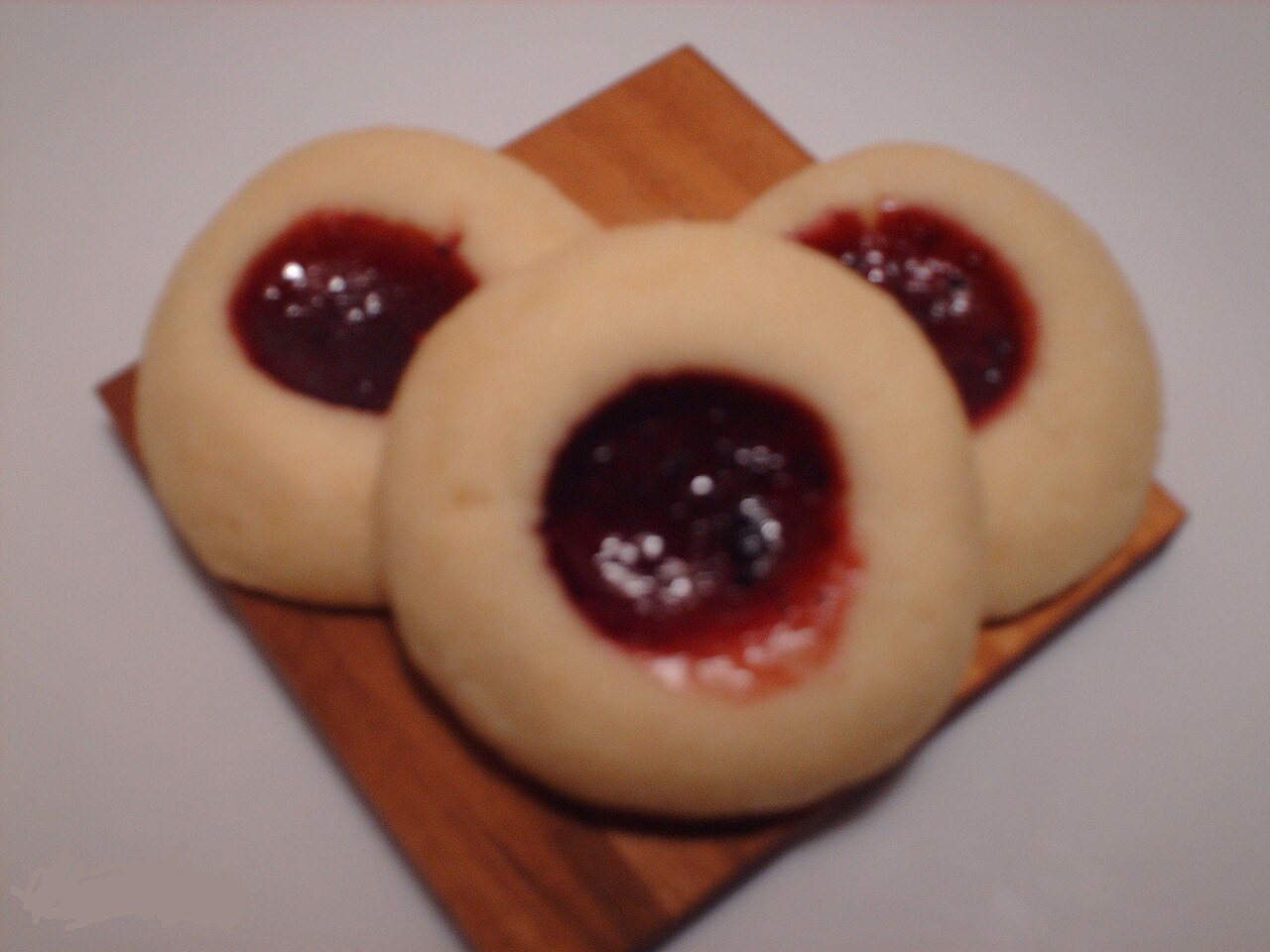
Cookies hold a special place in the hearts of dessert enthusiasts worldwide, offering a comforting blend of flavors and textures in every bite. Among the vast array of beloved confections, few capture the imagination quite like the versatile and delicious peanut butter thumbprint cookies. These irresistible treats, characterized by their soft, chewy peanut butter base and a delightful dollop of fruit jam in the center, are a testament to culinary evolution and adaptation. What started as a simple, elegant Swedish pastry has transformed into an American classic, blending nutty richness with tangy sweetness in a truly unforgettable way. Whether you're a seasoned baker or just starting, these easy-to-make, cute cookies are destined to become a perennial favorite in your kitchen.
A Taste of History: The Swedish Origins of Thumbprint Cookies
The journey of the modern peanut butter thumbprint cookie begins not in an American kitchen, but in 19th-century Sweden. Here, a delightful cookie known as hallongrottor – meaning "raspberry cave" – first emerged. These charming pastries were essentially shortbread-style cookies, distinguished by a central indentation filled with vibrant raspberry jam, giving them their evocative name. The simple yet elegant design quickly made them a staple at Swedish social gatherings called kafferep, informal coffee parties where an impressive array of baked goods was served alongside steaming cups of coffee.
As the late 19th and early 20th centuries saw significant waves of Swedish immigrants settling in the United States, they brought with them cherished traditions, including their unique baking practices. The concept of the jam-filled, indented cookie began to adapt to its new home, gradually appearing in American cookbooks and newspapers under names like "thimble cookies" or "Swedish thimbles" by the mid-20th century. While the core design remained, the stage was set for an exciting evolution that would infuse this classic with a distinctly American twist.
The American Transformation: Introducing Peanut Butter to the Classic
The true transformation into the beloved peanut butter thumbprint cookies we know today occurred in the United States during the 20th century. As peanut butter grew in popularity as a staple American ingredient, it was only a matter of time before its creamy, nutty goodness found its way into this traditional cookie format. This ingenious adaptation married the rich, savory depth of peanut butter with the bright, tangy sweetness of fruit preserves, creating a flavor profile that was both familiar and excitingly new.
The incorporation of peanut butter elevated the original shortbread-style cookie, giving it a softer, chewier texture and an unmistakably comforting aroma. Imagine a classic peanut butter cookie, but with a "major upgrade" – that's the essence of this evolution. Often, these American variations are rolled in chopped peanuts before baking, adding an extra layer of texture and intensifying the nutty flavor. This blend of simple ingredients and ingenious adaptation solidified the peanut butter thumbprint cookies' place as a beloved American dessert, celebrated for its unique character and undeniable appeal.
Crafting the Perfect Peanut Butter Thumbprint Cookie: Tips for Success
Whipping up a batch of perfect peanut butter thumbprint cookies is surprisingly straightforward, requiring relatively few ingredients and simple techniques. However, a few key tips can elevate your baking from good to truly exceptional:
Essential Ingredients and Their Role:
- Creamy Peanut Butter: The star of the show! Opt for creamy peanut butter for the smoothest dough and consistent texture. While natural peanut butter can work, its oil separation might require extra mixing, and a conventional creamy variety often yields the best results for this recipe. A typical batch yielding around 32 cookies might use ¾ cup (195g) of creamy peanut butter.
- Jam: Raspberry jam is the traditional choice, honoring the hallongrottor legacy, but don't limit yourself! Strawberry, apricot, grape, cherry, or even lemon curd can offer delightful variations.
- Room Temperature Ingredients: This is crucial for optimal creaming. Ensure your butter and eggs are at room temperature. This allows them to emulsify properly with the sugar and peanut butter, resulting in a light, airy, and evenly textured dough.
- Flour, Sugar, Eggs, Butter: These form the classic cookie base, providing structure, sweetness, richness, and binding properties.
Mastering the Technique:
- Chill the Dough: This step is non-negotiable! Chilling the dough for at least 30 minutes (or longer) helps prevent spreading during baking, ensuring your cookies maintain their perfect shape and distinctive indentations. This results in those coveted chewy centers and crisp edges.
- Forming and Indenting: Roll the dough into uniform balls (about 1-inch in diameter). While a thumb is traditional for creating the well, you can also use the back of a rounded teaspoon, a small measuring spoon, or even the end of a wooden spoon handle for a cleaner, more consistent indentation.
- Baking Temperature: Bake at a moderate temperature to ensure the cookies cook evenly without browning too quickly, allowing the dough to set while keeping the jam vibrant.
Creative Customizations and Upgrades:
One of the joys of these cookies is their versatility. You can easily adjust them to suit any preference:
- Glaze Galore: For an extra touch of decadence, drizzle your cooled cookies with a simple glaze. A maple cinnamon glaze, as suggested by some recipes, offers a warm, aromatic finish. A classic vanilla glaze or even melted chocolate can also be fantastic.
- Textural Toppings: Before baking, roll the dough balls in granulated sugar, turbinado sugar, or finely chopped peanuts for added crunch and visual appeal.
- Flavor Boosters: A pinch of cinnamon, a dash of nutmeg, or a splash of pure vanilla extract in the dough can enhance the overall flavor profile.
Once you've made these easy, cute cookies, you might find yourself putting this recipe on repeat. They truly are one of those all-time favorites!
Beyond the Batch: Freezing and Holiday Cookie Boxes
The convenience and make-ahead potential of peanut butter thumbprint cookies further cement their status as a baking essential, especially during busy times like the holidays. These cookies are super easy to freeze, making them a perfect candidate for advance preparation.
Freezing Made Easy:
- Baked Cookies: Allow baked cookies to cool completely. Arrange them in a single layer on a baking sheet and flash freeze until solid (about 1-2 hours). Transfer the frozen cookies to an airtight container or freezer bag, separating layers with parchment paper. They can be stored for up to 2-3 months. Thaw at room temperature when ready to serve.
- Unbaked Dough Balls: Form the dough into balls and make the indentations (without adding jam). Arrange them on a baking sheet and flash freeze. Once solid, transfer to a freezer bag. When ready to bake, place the frozen dough balls on a baking sheet, fill with jam, and bake directly from frozen, adding a few extra minutes to the baking time.
Perfect for Holiday Cookie Boxes:
Their attractive appearance, delightful taste, and freezer-friendly nature make peanut butter thumbprint cookies an ideal addition to any holiday cookie box. They pair wonderfully with a variety of other festive treats, creating a diverse and appealing assortment. Consider including them alongside:
- Classic linzer cookies
- Decorative Christmas sugar cookies
- Soft and chewy ginger cookies
- Rich chocolate crinkle cookies
- Crunchy cranberry pistachio biscotti
Packaging these beauties in a cute, festive box makes for a thoughtful and delicious gift that friends and family will surely appreciate.
From their humble beginnings as Swedish hallongrottor to their vibrant reinterpretation as American peanut butter thumbprint cookies, these confections tell a story of culinary migration and innovation. Their enduring popularity lies in their irresistible combination of soft, nutty dough and sweet, fruity jam, alongside their charming appearance and the ease with which they can be made and customized. Whether you're baking for a holiday gathering, a casual treat, or a special gift, these cookies are a testament to how simple ingredients, a little creativity, and a touch of history can come together to create something truly magical. So go ahead, make a batch, and savor a piece of this delightful tradition.
